

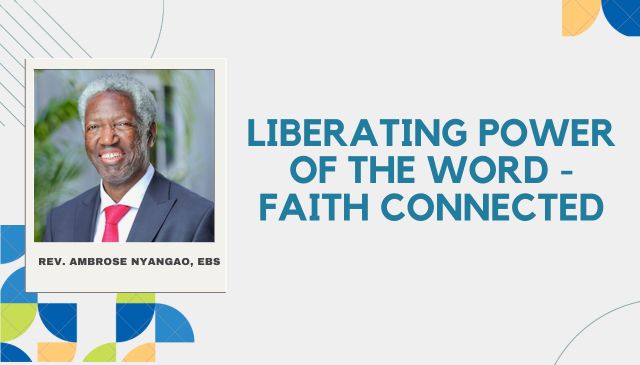

2 Chronicles 20 offers one of the clearest Bible teaching moments on crisis leadership, spiritual resilience, and hearing God’s voice under pressure. King Jehoshaphat faces a sudden, overwhelming threat, and the first “voice” he hears is the report of people: breaking news, warnings, rumours, the size of the problem. That is still how anxiety spreads today, through messages, headlines, and fearful conversations. Yet the turning point is not denial; it is direction. Jehoshaphat chooses prayer and fasting, gathers the community, and admits the truth without shame: “We do not know what to do, but our eyes are on you.” That line models Christian faith that is honest, grounded, and expectant.
The message also insists that God is a speaking God, and that Scripture is not dead text but living guidance for everyday decisions. The episode connects Genesis, the prophets, and the life of Jesus to underline that God communicates, comforts, and corrects. In practice, this means Christian discipleship is not only about “getting through a crisis”, but learning spiritual disciplines before the crisis arrives: Bible reading, meditation, worship, and a steady habit of listening. Psalm 1 becomes a practical strategy for spiritual growth: delight in God’s word, meditate day and night, and become like a tree planted by streams of water, stable in every season.
A crucial insight from Jehoshaphat’s story is that God may speak through ordinary people. The Spirit comes upon Jahaziel, a man standing in the assembly, and a prophetic message cuts through fear. This challenges the assumption that guidance must arrive in dramatic ways. God can calibrate his voice so we can receive it, sometimes through a pastor, a friend, a worship leader, or even someone we would overlook. The key is discernment: not idolising the messenger, but testing and receiving the message. When the word comes, it brings clarity: “Do not be afraid… the battle is not yours, but God’s.” That single sentence reframes the conflict and repositions the heart.
From there, the episode builds a memorable framework for Christian encouragement and practical action: IDEAS. God’s word gives Insight when logic says “panic”, but heaven says “stand firm”. It gives Directives like “do not fear” and “march down tomorrow”, showing that faith is active rather than passive. It gives Encouragement by reminding us God is present, not condemning, and that Scripture strengthens the inner person. Then it leads to Action, because worship and obedience are responses, not decorations. Finally, it releases Supply, pictured by the plunder collected for days after God turns enemies against themselves, proving that God can provide through unexpected channels.
The sermon lands with a bold and searching application: what action will you take after you hear the word? Jehoshaphat appoints singers to go ahead of the army, praising God’s enduring love, and that praise becomes spiritual warfare. For modern believers, this is a call to replace complaint with thanksgiving, to worship before outcomes are visible, and to expect God’s provision with humility and courage. Whether the “army” looks like debt, discouragement, sickness, or uncertainty, the invitation is the same: lift your eyes, listen for God’s word, and step into the next day believing that God can turn a threat into a delivery.